A reference on the programming environments of 1976 to 1995.
Forty-nine dollars and ninety-five cents
Borland put an editor, a compiler and a runtime in one window and sold it for $49.95 in 1983, when a Pascal compiler was priced in the hundreds and ran as three separate programs. Anders Hejlsberg wrote the compiler. The blue screen it opened in is what a generation meant by programming.

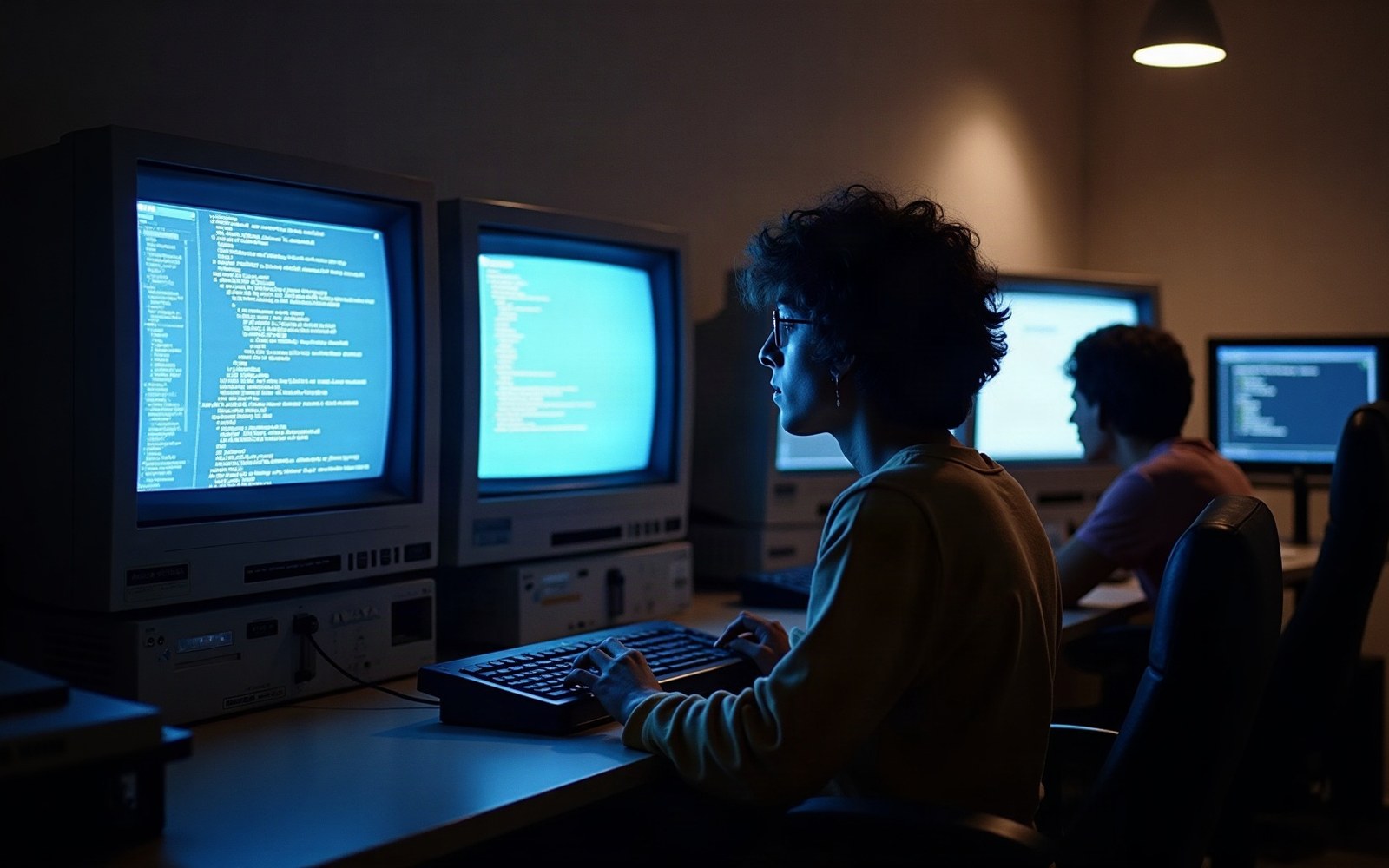
Night work, and the screens as the only light in the room.
Photo: Mikhail Nilov / Pexels
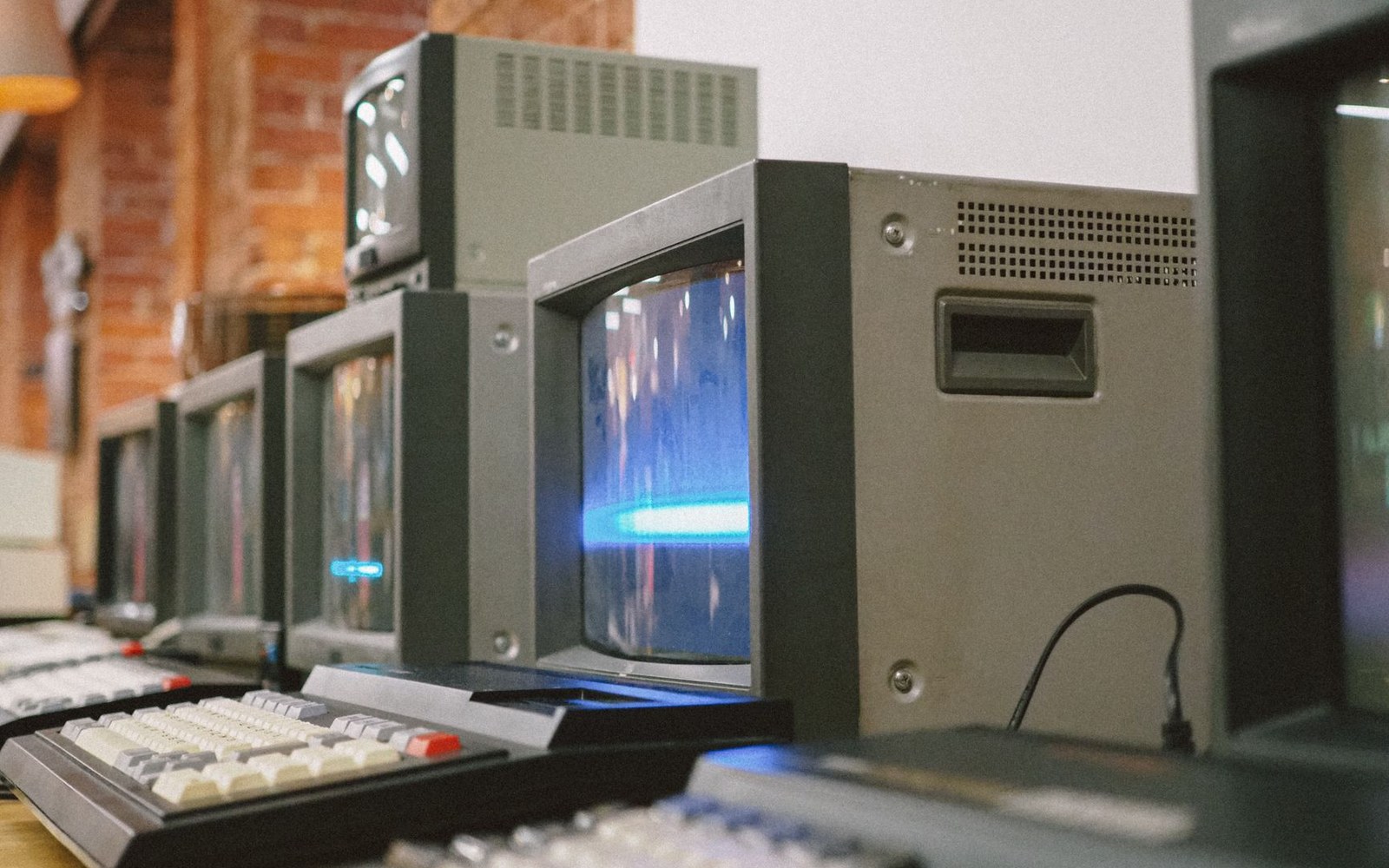
At PARC it was already all in one bitmapped window
Alan Kay's group ran the editor, the compiler, the debugger and the class browser on the same screen, on hardware almost nobody had. Goldberg and Robson published the implementation in 1983.
Two editors written in the same year, both still running
Emacs began as TECO macros at the MIT AI Lab; vi came out of Bill Joy’s work on ex at Berkeley. Neither was an environment yet.
Then the form became the program
Visual Basic shipped in 1991 with a toolbox, a canvas and an event for every control. Delphi followed in February 1995.
Room 4 · The Inventions
The debugger stopped the program, and the program stopped being a guess
Microsoft’s CodeView arrived with Microsoft C in 1985; Turbo Pascal 5.0 put stepping, watches and breakpoints inside the editor in 1989, and the watch window has been standing furniture ever since.
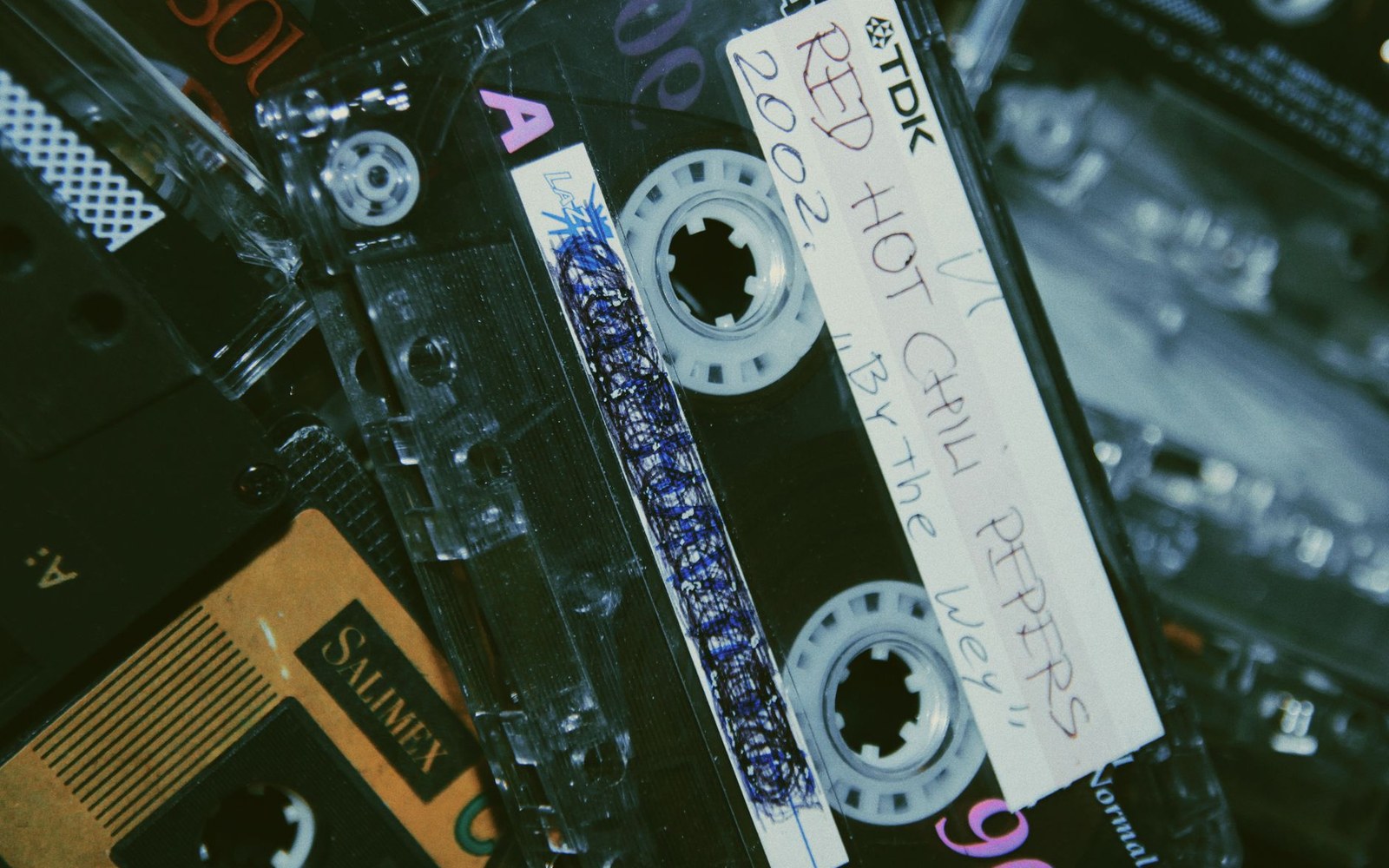
Photo: CARTIST . / Pexels
Teletype to CRT. Emacs, vi, Smalltalk-80, and editing text you could not see all of.
4 pieces
Turbo Pascal, Turbo C, and the compiler that stayed resident in RAM.
5 pieces
Visual Basic's toolbox, Delphi's palette, and drawing the program instead of writing it.
4 piecesHighlighting, the breakpoint, completion, refactoring, the protocol.
7 piecesHejlsberg, Stallman, Joy, Kay, Ingalls, Gamma, Dmitriev.
5 pieces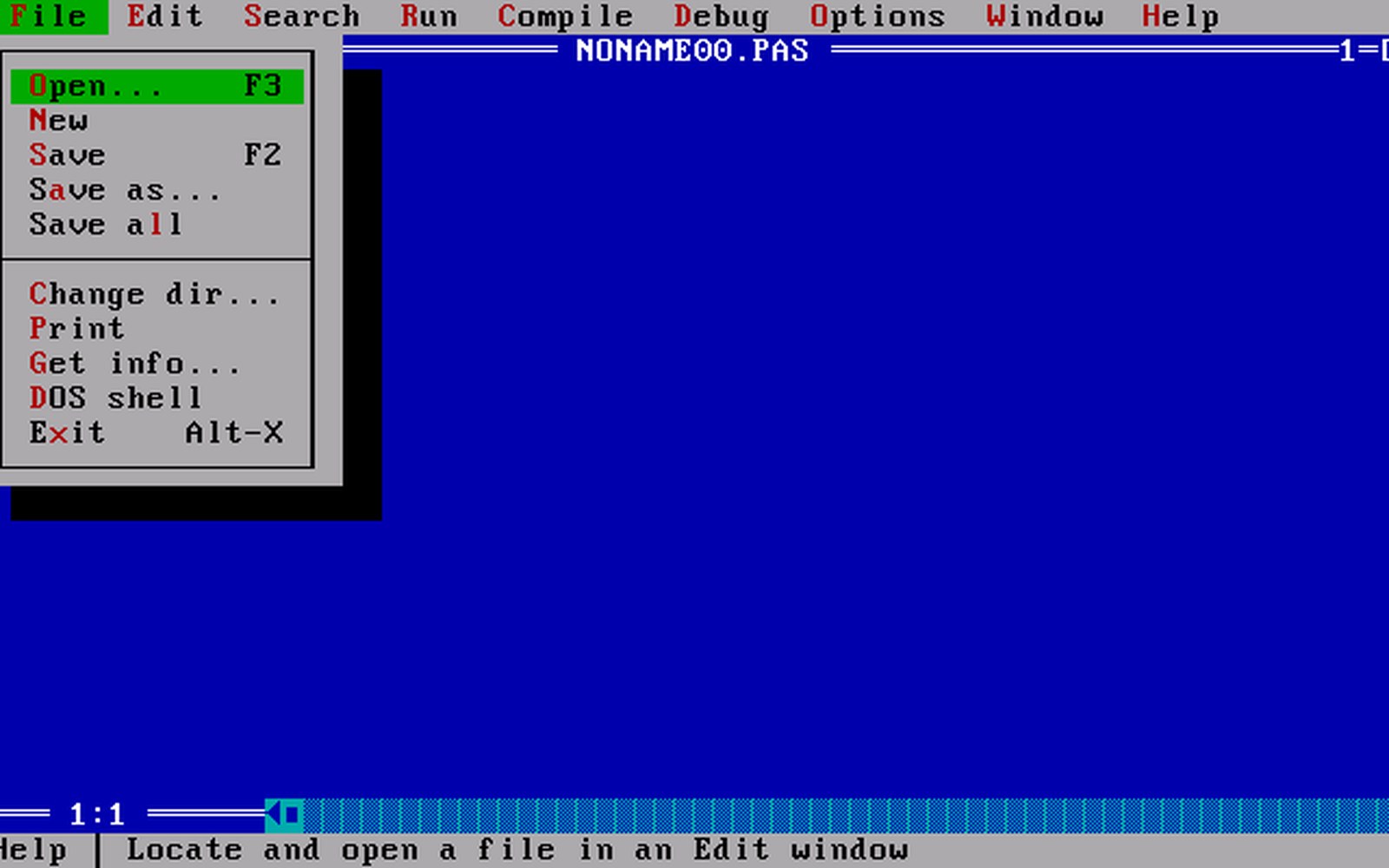
Eclipse, IntelliJ IDEA, Atom, VS Code, and the licences they shipped under.
5 pieces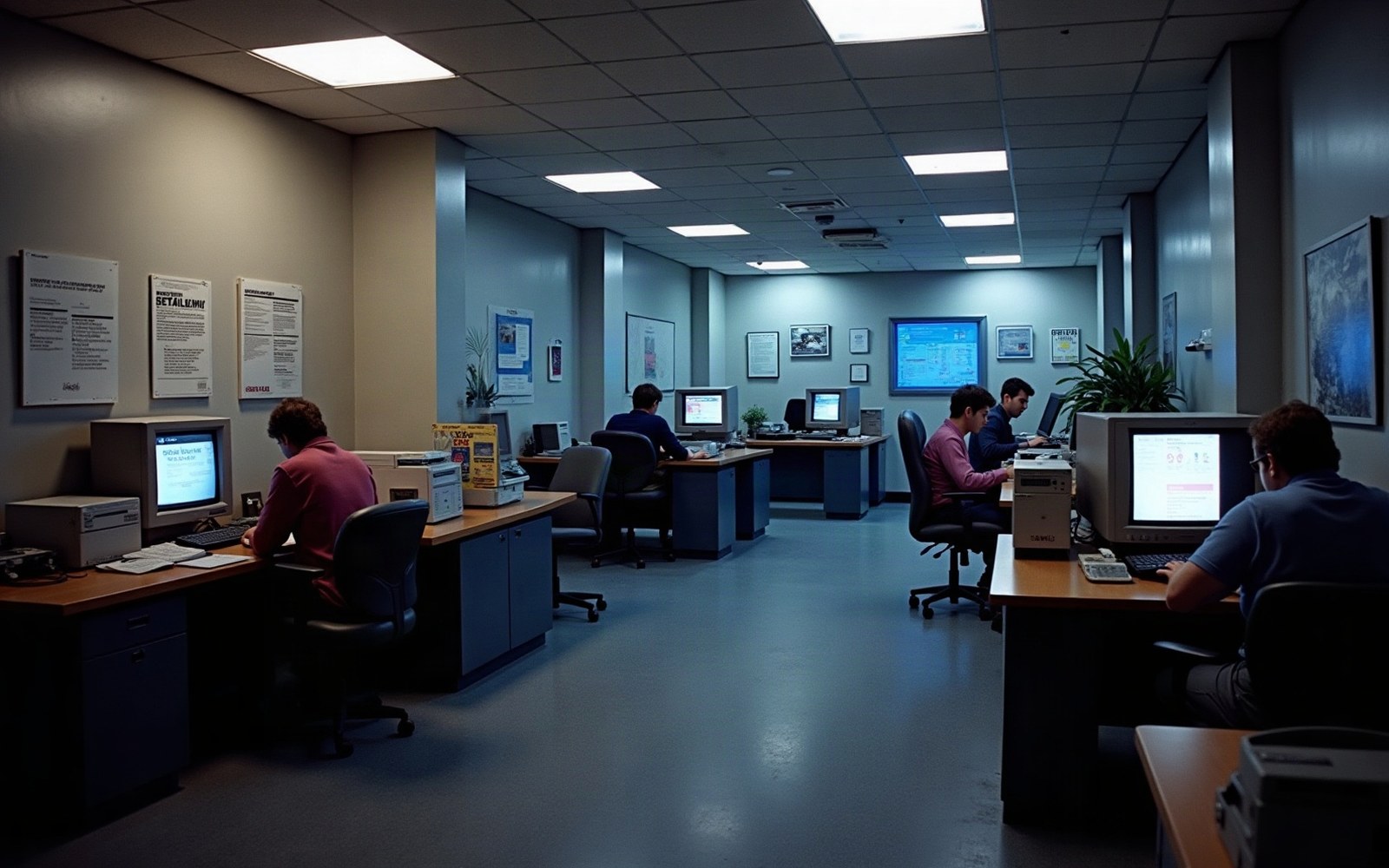
Room 2 · The Blue Box
Borland, 1983 to 2009
A garage in Scotts Valley to the third-largest personal-computer software company in the world, and then the piece-by-piece loss of the developer market it had built.
Turbo Pascal, the dBase acquisition, Delphi, the price war with Microsoft, the Inprise rebrand, and the 2009 sale of the IDE business.
Supported by
These businesses support the section pages and the archive.
 Evil Angel Transexuals redefining the default output, one landmark release at a time.
 My Dirty Maid knows a clean workspace hides the most interesting history.
 Haze Him captures that raw first-compile energy no patch ever quite restores.
 Dancing Bear live-event energy, no script, no rehearsal, pure runtime.
 21 Erotic Anal treats depth of craft the way a master debugger treats the final layer.
 Couple Swapping proves even stable builds benefit from a fresh environment.
 Devils TGirls the kind of elegant cross-platform build that surprises every integrator.
 Nanny Spy knows every hidden process running in the background.